
This year’s event has already proven to have impact far beyond the room itself, becoming the catalyst for a major national discussion about the status of the hairdressing industry.
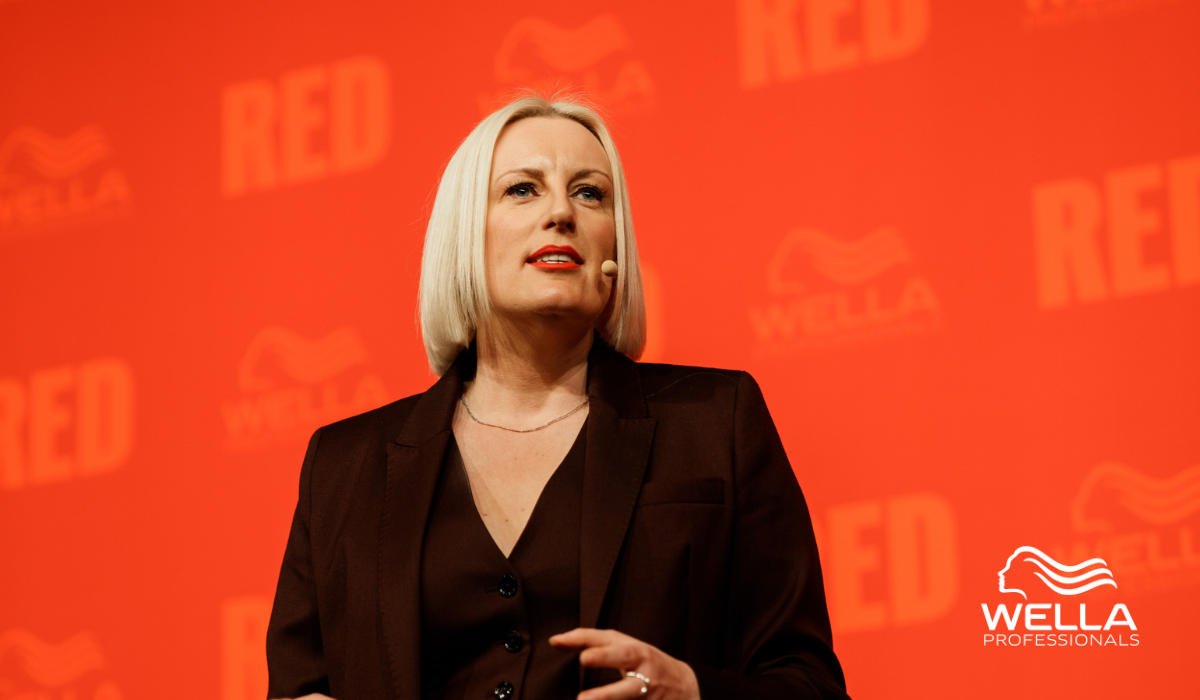
Among the keynote speakers was TV presenter and business journalist, Steph McGovern, who delivered a powerful understanding of the challenges facing today’s high‑street businesses.
The response from the 300‑strong audience was so significant that McGovern chose to spotlight the industry’s struggles in her news podcast that she presents with respected news journalist, Robert Peston, The Rest Is Money, reaching a far wider national audience. She described the insights from BNL as both compelling and concerning.
“This week I was with salon owners and people who work in the hairdressing sector and there was a real sense that things are really tough for them,” she said. “Business rates, the increase in employment costs, the issues around high streets generally and the cost of living crisis.”
She went on to emphasise the vital role salons play at the heart of communities:
“Hairdressers are often the people who are there on the front line of the mental health crisis… It might be the only conversation someone has that week, so they’re doing a lot of that hard work as well as doing hair.”
McGovern also urged wider recognition of the profession:
“Hairdressing is so undervalued. It’s the difference between feeling confident or not… It’s an industry that is really struggling, a lot to do with the fact that it is so labor intensive and is on the high street. It was really sad to hear some of the stories.”
The episode also featured Toby Dicker from the Salon Employers Association, whose interview further illustrated the pressures on salon businesses.
“We are the most taxed industry on the high street. The biggest reason for that is because we employ more people. Sixty per cent of our costs are people, which is five times more than typical retail, meaning any increase in employment costs hits us five times harder,” he explained.
The discussion explored the structural issues of the UK VAT model, with Dicker highlighting Ireland’s 9% VAT rate for hairdressing as a more sustainable approach. “Salons do not buy goods in, so can claim so little of the VAT back. In Ireland they have recognised this… They have realised that the tax burden is so high, so have levelled the playing field,” he said.
As a business committed to championing the future of the hairdressing industry, Wella will continue to facilitate open, solution‑focused dialogue on these critical issues. Building on the momentum created at Business Network Live and the national spotlight that has followed, it is committed to prioritising these discussions at upcoming RED community touchpoints. These forums will bring together salon leaders, partners and experts to explore practical pathways forward and ensure the voices of hair professionals continue to be heard at every level.
The decision by The Rest Is Money to spotlight these issues demonstrates how Wella RED Business Network Live continues to act as a powerful platform for industry advocacy. BNL not only unites and educates business leaders within the sector, but also amplifies their voices far beyond the event, ensuring the challenges faced by salon owners and professionals are heard where it matters most.