
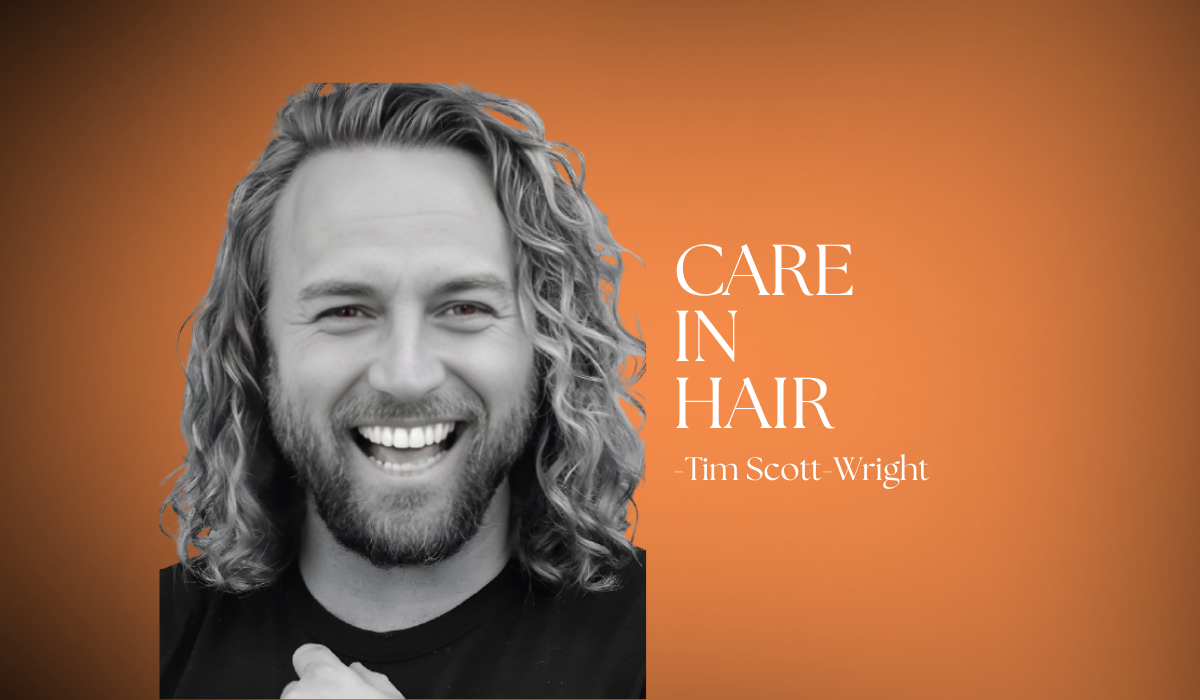
Many of the women who have sat in Tim’s chair are now in their seventies, eighties and nineties, and their weekly salon appointment has taken on a new significance.
“Dementia is such a cruel disease, and it can be so upsetting for everyone involved. Most of the time, I have picked up on small changes in behaviour, rather than a family member talking to me about what might be going on. It could be a client completely forgetting their PIN number, or turning up to the salon on the wrong day when they’ve kept the same appointment for the last 10 years,” explains Tim. “I actually had a second job in a care home when I first started training as a hairdresser. My mum was also a nurse and cared for dementia patients, so I’ve grown up around it. This previous experience has helped in recognising some of the things to look out for and how to adapt the way I look after them,” he continues. Tim’s salon has always been rooted in long-term relationships. In fact, many of his regulars have only ever had their hair done by three hairdressers across generations. “Over the years, we have joked that Peter Priest got them through births and marriages, Umberto Giannini got them through HRT and menopause and I’ve got them through hip replacements and dementia!”
This deep-running shared history means changes in clients are often noticed quickly, even before a diagnosis is discussed. “The changes were small to begin with. There were often repetitive conversations, small moments where something felt a bit off, but then sometimes that leads to more erratic behaviour or confusion,” Tim explained. One of the most important things Tim has learnt is how communication needs to change. “When someone is living with dementia, you don’t correct them; you go along with the conversation. If they repeat themselves five times, you answer them five times. I might ask how their sons are doing, and they’ll say they’re doing wonderfully at school. In reality, those sons are grown men with careers, but in the client’s mind, they’re back 30 years. You just go with it; you don’t cause distress.”
Supporting vulnerable clients doesn’t always mean making dramatic changes to the salon environment, often it’s just about extra awareness and care. “There’s definitely a duty of care that goes beyond the chair,” says Tim. “Some clients may forget they’re mid-service with a colour on their head and attempt to leave, while others need extra help moving around the salon. It’s about being aware of their movements so they don’t go somewhere that could confuse or frighten them.”
For many families, the weekly salon appointment represents normality. Tim remembers one client vividly from the early days of his career: “She used to arrive in a white Porsche wearing a white Armani suit, heading to the gym with this beautiful bob – she was so glamorous! Even now, she is still brought to the salon by her son every week. For the family, it’s about keeping part of who she was alive. And when she leaves the salon with freshly styled hair, her family sees something familiar again. She resembles a bit more of the person they know.”
For Tim, this type of client experience has been both emotional and humbling. It has reawakened a part of his role that can sometimes be forgotten in the busy world of salon business. “These women were the age I am now when I first met them. It makes you realise how quickly life can change. They’ve brought care, compassion and patience to the forefront of everything I do. As a salon owner, you’re sometimes so focused on running a business and looking after a team, but these women remind you why the human side of hairdressing matters.”